Category: Driving & Vehicles

Nigerian driver licence, vehicle registration and roadworthiness — applications and renewals.

  • Vehicle Registration & Ownership Transfer in Nigeria (2026)

    Vehicle Registration & Ownership Transfer in Nigeria (2026)

    Registering a vehicle and transferring ownership

    Owning a car in Nigeria means keeping a set of vehicle papers current — and getting them right when you buy or sell. This guide covers vehicle registration, renewing your vehicle particulars, and transferring ownership (change of ownership) when a car changes hands, so you are never stopped for expired or mismatched documents.

    Honest note: RenewPapers is not the FRSC, the VIO or the state licensing authority. Vehicle documents are issued by those bodies. What we do is complete the registration, renewals and ownership transfer correctly and spare you the licensing-office queues.

    The core vehicle papers

    • Vehicle registration — the vehicle licence, proof of ownership, and your number plates.
    • Vehicle licence / particulars renewal — the renewable set (vehicle licence, road tax) that must stay current, plus roadworthiness and insurance.
    • Change of ownership — when you buy or sell, ownership must be transferred so the car is legally in the new owner’s name.

    What do you need?

    Driving is separate from the vehicle. Your driver’s licence covers you; vehicle papers cover the car. You need both current — we can sort them together.

    Vehicle papers to register or transfer?

    Tell us the vehicle and what you need — registration, renewal or change of ownership. We will complete it correctly and get your documents to you.

    Sort my vehicle papersChat on WhatsApp

    Related guides

  • Roadworthiness & Vehicle Inspection Certificate in Nigeria (2026)

    Roadworthiness & Vehicle Inspection Certificate in Nigeria (2026)

    Roadworthiness: proving your car is fit for the road

    A roadworthiness certificate (vehicle inspection certificate) is one of the papers every vehicle on a Nigerian road must have, confirming it has passed inspection and is safe to drive. Along with your vehicle licence, insurance and registration, it is checked at the roadside — and expired roadworthiness is a common reason for being stopped and fined. This guide explains how it works and how to get or renew yours.

    Honest note: RenewPapers is not the VIO or the inspection authority. The certificate follows an inspection by the designated body. What we do is arrange the inspection and the certificate and fold it into your vehicle-particulars renewal so nothing lapses.

    What to know

    • It is renewable — roadworthiness is valid for a period and must be renewed, like your vehicle licence.
    • It is part of a set — it sits alongside the vehicle licence, road tax, insurance and plates. Officers check them together.
    • Commercial vehicles face stricter and more frequent inspection — see commercial vehicle permits.

    What do you need?

    Roadworthiness due or expired?

    Tell us your vehicle. We will arrange the inspection and certificate — and renew the rest of your vehicle papers at the same time so you are fully covered.

    Sort my roadworthinessChat on WhatsApp

    Related guides

  • Number Plates & Vehicle Permits in Nigeria: Plates, Tinted & Commercial (2026)

    Number Plates & Vehicle Permits in Nigeria: Plates, Tinted & Commercial (2026)

    Plates, tinted-glass permits and commercial permits

    Beyond basic registration, a few vehicle documents trip people up: number plates (and replacing lost or damaged ones), the tinted-glass permit you legally need if your windows are tinted, and commercial-vehicle permits for cars used for business. This guide covers each, so you are not stopped for a missing plate or an “illegal” tint.

    Honest note: RenewPapers is not the FRSC, the police or the licensing authority. These plates and permits are issued by the relevant bodies. What we do is complete the applications correctly and save you the trips.

    The three things people need

    • Number plates — issued on registration; lost, stolen or damaged plates must be formally replaced, not improvised.
    • Tinted-glass permit — factory-tinted or tinted windows legally require a permit in Nigeria; driving tinted without one is a common stop-and-fine.
    • Commercial-vehicle permit — vehicles used commercially (haulage, hire, ride-hailing) need the right permits and stricter inspection.

    What do you need?

    Need plates or a vehicle permit?

    Tell us what you need — plates, a tinted-glass permit or commercial permits. We will complete the applications and get them sorted without the queues.

    Sort my plates / permitChat on WhatsApp

    Related guides

  • The Nigerian Driver’s Licence Test: Theory & Practical (2026)

    The Nigerian Driver’s Licence Test: Theory & Practical (2026)

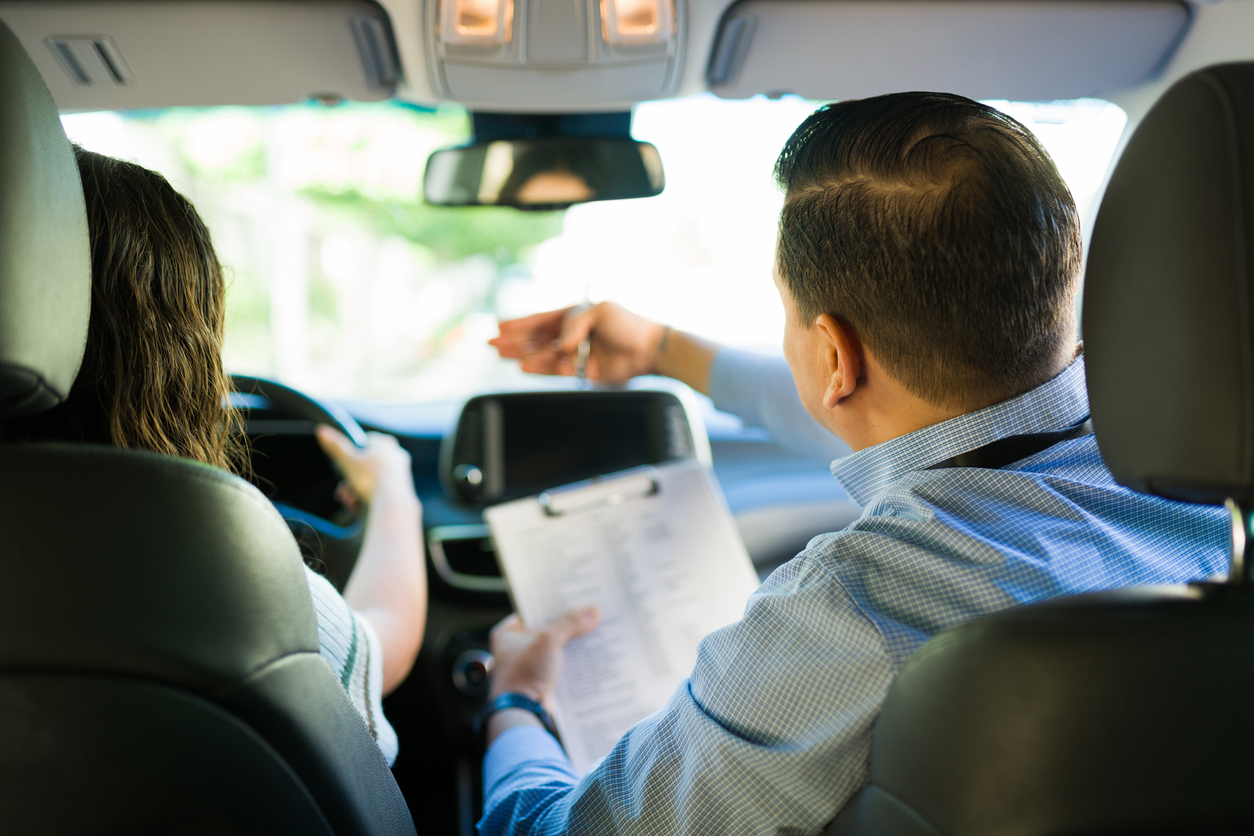
    A driving instructor assessing a learner during a driving test in Nigeria

    Before the FRSC can issue your first licence, you have to prove you can actually drive — through a driving school and the Vehicle Inspection Office (VIO) test. This guide explains what the Nigerian driver’s licence test involves in 2026, both the theory and the practical, and how to pass first time.

    It starts with driving school

    An accredited driving school trains you and issues the Certificate of Competence the FRSC expects for a new licence. The school also prepares you for the VIO test, covering road signs, rules and vehicle control.

    The theory test

    The theory test checks that you know the Highway Code — road signs, right of way, speed and safety rules. Expect questions on signs and scenarios. This is the cheapest part to pass and the easiest to fail by under-preparing, so study the signs properly.

    The practical test

    The practical test is conducted by the VIO and assesses real driving: starting and moving off, control and steering, observation and mirrors, turning, parking or reversing, and obeying signs and signals. You drive under assessment and are marked on competence and safety.

    Insider tip: Most first-time failures are not about parking — they are about observation: not checking mirrors and blind spots, or rolling through a stop. Exaggerate your checks so the examiner can see you doing them.

    Let RenewPapers handle your driver’s licence

    We complete your FRSC application, prepare every document, book your capture appointment at a centre with real availability, and track the licence through to collection — submitting on your behalf or putting a vetted person in the queue for you. It all stays in your RenewPapers wallet, so your next renewal takes minutes. No touts, no wasted trips, no time off work.

    Start an application

    How to prepare and pass first time

    • Use an accredited driving school and get your Certificate of Competence
    • Study the Highway Code and practise road-sign questions until they are automatic
    • Practise the practical manoeuvres — parking, reversing, hill starts
    • On test day, make your mirror and blind-spot checks obvious

    Passed your test? Next, apply for your new licence and book your capture appointment.

    This guide is general information, not legal advice. VIO and FRSC test requirements and fees change; confirm the current process before you book.

  • Nigerian Driver’s Licence Capture Centres & Offices: Booking & Locations (2026)

    Nigerian Driver’s Licence Capture Centres & Offices: Booking & Locations (2026)

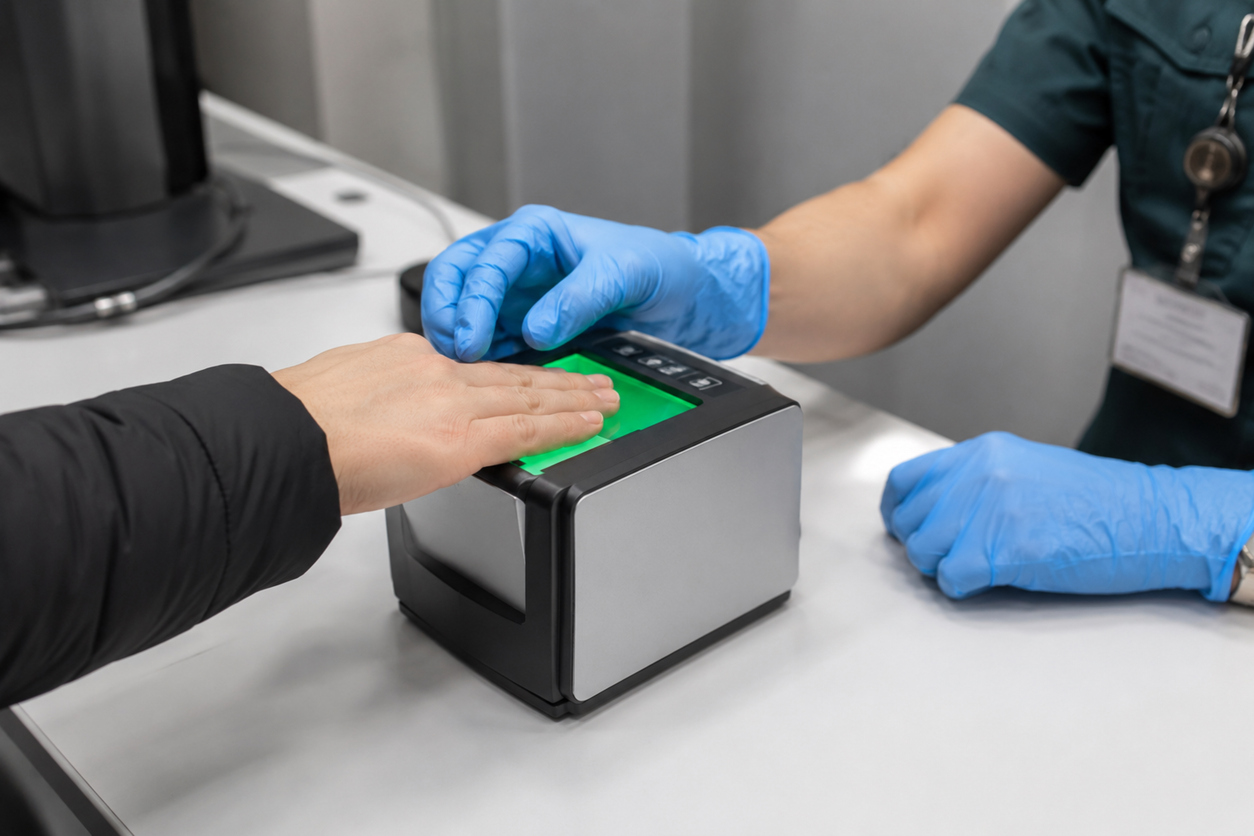
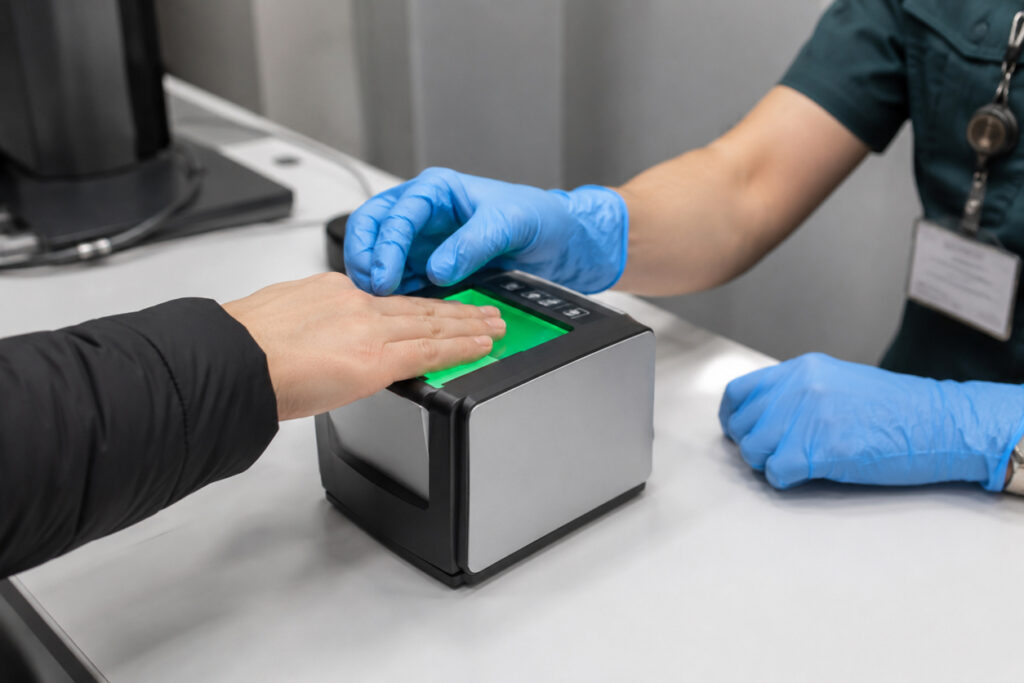
    Biometric fingerprint capture at a driver’s licence centre in Nigeria

    Your driver’s licence capture centre is where the application becomes real — fingerprints, photograph and document check. This guide covers how to book a capture appointment and where the FRSC capture centres and offices are across Nigeria, from Lagos (including Alausa) to Abuja, Port Harcourt, Ibadan and Kano.

    What a capture centre does

    A capture centre records the biometric data — fingerprints and a photo — that the FRSC prints onto your licence and stores on the NDLS. You attend in person; this is the one step you cannot do remotely. After capture you receive a temporary licence while the permanent card is produced.

    How to book a capture appointment

    You complete and pay for your application first, then book an appointment at a capture centre and attend on the day with your documents. Booking the right centre — one with real availability — is what turns a multi-week wait into a single trip.

    Offices and capture centres by city

    • Lagos — multiple FRSC capture centres across the state, including the well-known Alausa, Ikeja centre, plus others on the mainland and island.
    • Abuja (FCT) — FRSC offices and capture centres across the territory.
    • Port Harcourt — capture centres serving Rivers State.
    • Ibadan — centres serving Oyo State.
    • Kano — centres serving Kano State and the north-west.
    Insider tip: The centre nearest you is often the busiest. A centre a little further out — a different Lagos centre instead of Alausa, say — can have an appointment days sooner. Being ready to travel a short distance is frequently the fastest route to capture.

    Let RenewPapers handle your driver’s licence

    We complete your FRSC application, prepare every document, book your capture appointment at a centre with real availability, and track the licence through to collection — submitting on your behalf or putting a vetted person in the queue for you. It all stays in your RenewPapers wallet, so your next renewal takes minutes. No touts, no wasted trips, no time off work.

    Start an application

    What to bring on the day

    • Your application reference and proof of payment
    • Your NIN and a valid ID
    • Your driving-school Certificate of Competence and VIO test evidence (new applicants)
    • Your old or expired licence (renewals and replacements)

    Not sure which step you are on? Start with applying for a new licence, or read how FRSC, VIO and the NDLS fit together.

    This guide is general information, not legal advice. FRSC centre locations, booking steps and fees change; confirm your nearest centre and the current process before you travel.

  • FRSC, VIO and the NDLS: Who Issues Your Nigerian Driver’s Licence (2026)

    FRSC, VIO and the NDLS: Who Issues Your Nigerian Driver’s Licence (2026)

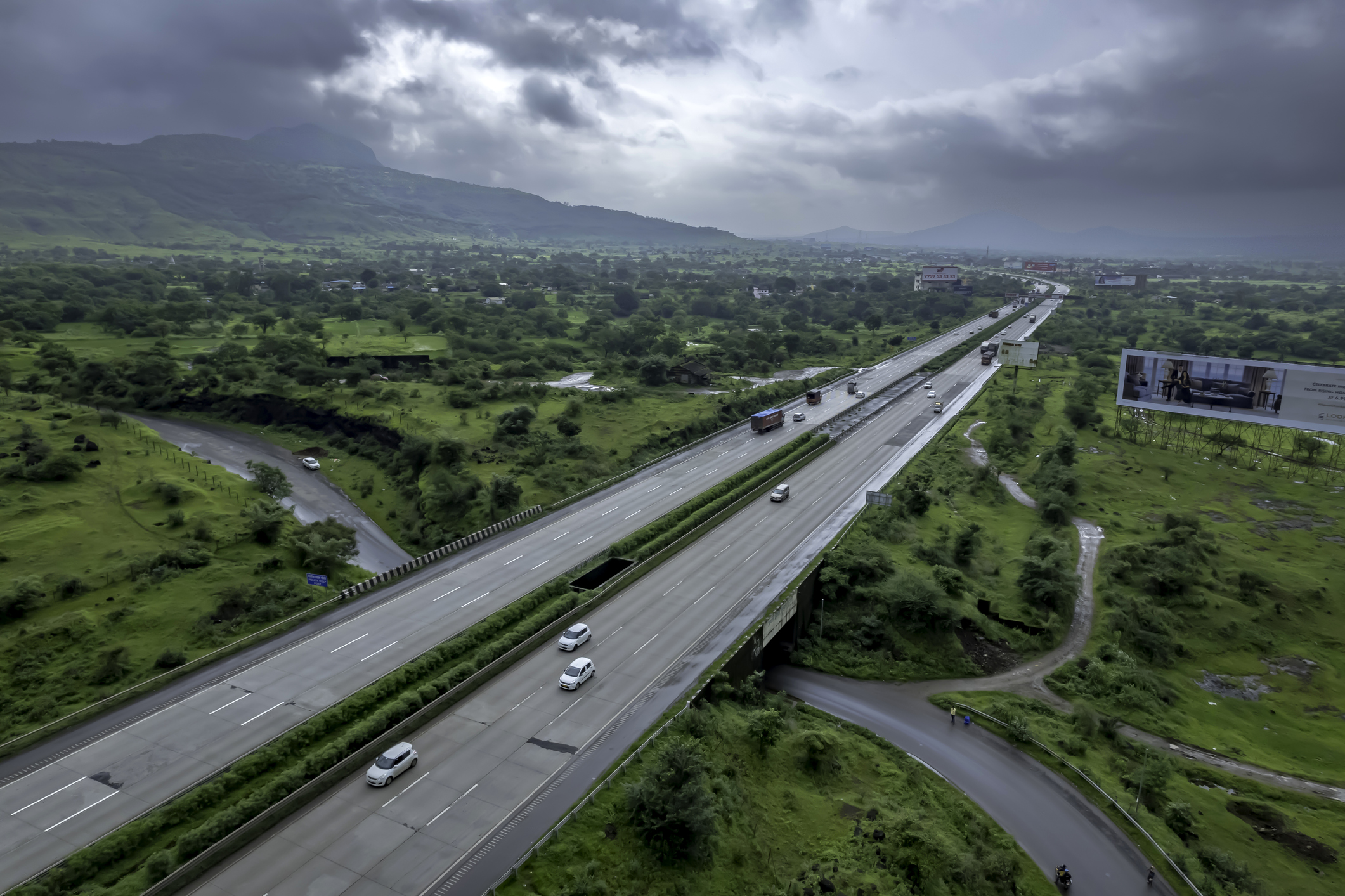
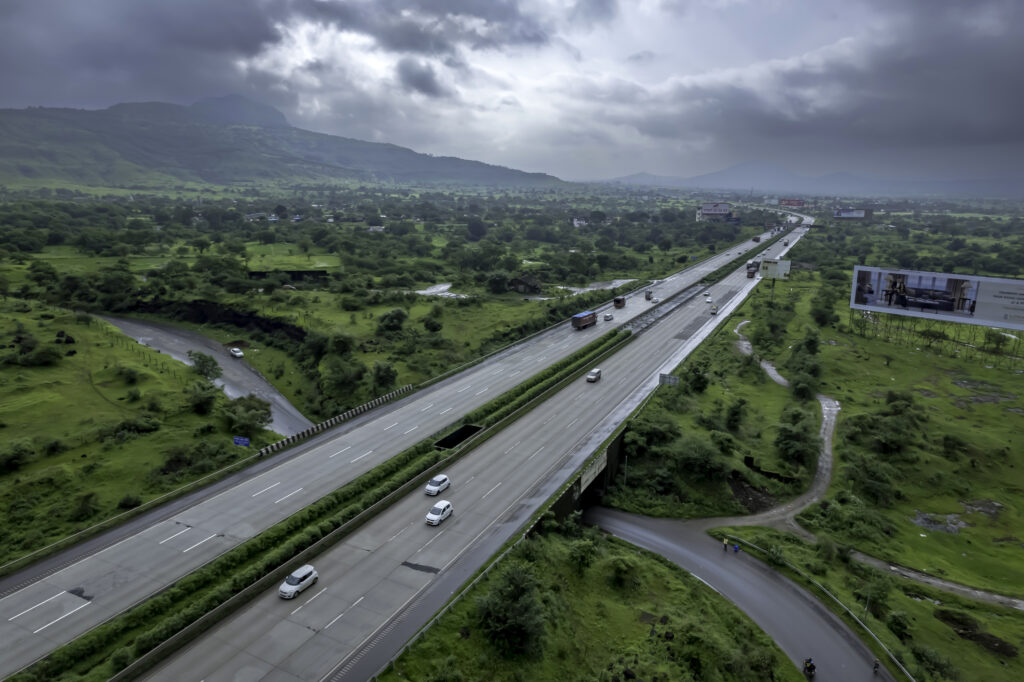
    A highway with traffic — FRSC, VIO and the NDLS behind the Nigerian driver’s licence

    Three names come up around the Nigerian driver’s licence — FRSC, VIO and the NDLS — and knowing who does what saves you from showing up at the wrong office. This guide explains how the Federal Road Safety Corps, the Vehicle Inspection Office and the National Drivers Licence Scheme fit together in 2026.

    The NDLS — the national scheme

    The National Drivers Licence Scheme (NDLS) is the unified system your licence is issued on. It standardises the licence across the country, holds your biometrics, and is why a licence captured in one state is valid nationwide. When people say the “national drivers licence,” this is it.

    FRSC — who issues the licence

    The Federal Road Safety Corps (FRSC) administers the NDLS and issues the licence. Your application, payment, biometric capture and the production of the card all run through FRSC. For a new application, FRSC also expects your driving-school Certificate of Competence.

    VIO — who tests you

    The Vehicle Inspection Office (VIO) is the state body that handles the driving test and confirms you are competent to drive. For a first licence, the VIO test typically comes before FRSC capture. VIO also inspects vehicles, which is separate from your licence.

    How they fit together

    In short: you learn at a driving school, pass the VIO test, then apply and capture with the FRSC, which issues your licence on the NDLS. Renewals and replacements go straight through FRSC because your record is already on the scheme.

    Insider tip: Most wasted trips happen because people go to the wrong body for the wrong step — queuing at FRSC before the VIO test, or vice versa. Knowing the order (driving school → VIO test → FRSC capture) is half the battle.

    Let RenewPapers handle your driver’s licence

    We complete your FRSC application, prepare every document, book your capture appointment at a centre with real availability, and track the licence through to collection — submitting on your behalf or putting a vetted person in the queue for you. It all stays in your RenewPapers wallet, so your next renewal takes minutes. No touts, no wasted trips, no time off work.

    Start an application

    Ready to start? See how to apply for a new driver’s licence, or find a capture centre and book your appointment.

    This guide is general information, not legal advice. FRSC, VIO and NDLS procedures and fees change; confirm the current process before you apply.

  • Renew, Replace or Get a Duplicate Nigerian Driver’s Licence (2026)

    Renew, Replace or Get a Duplicate Nigerian Driver’s Licence (2026)

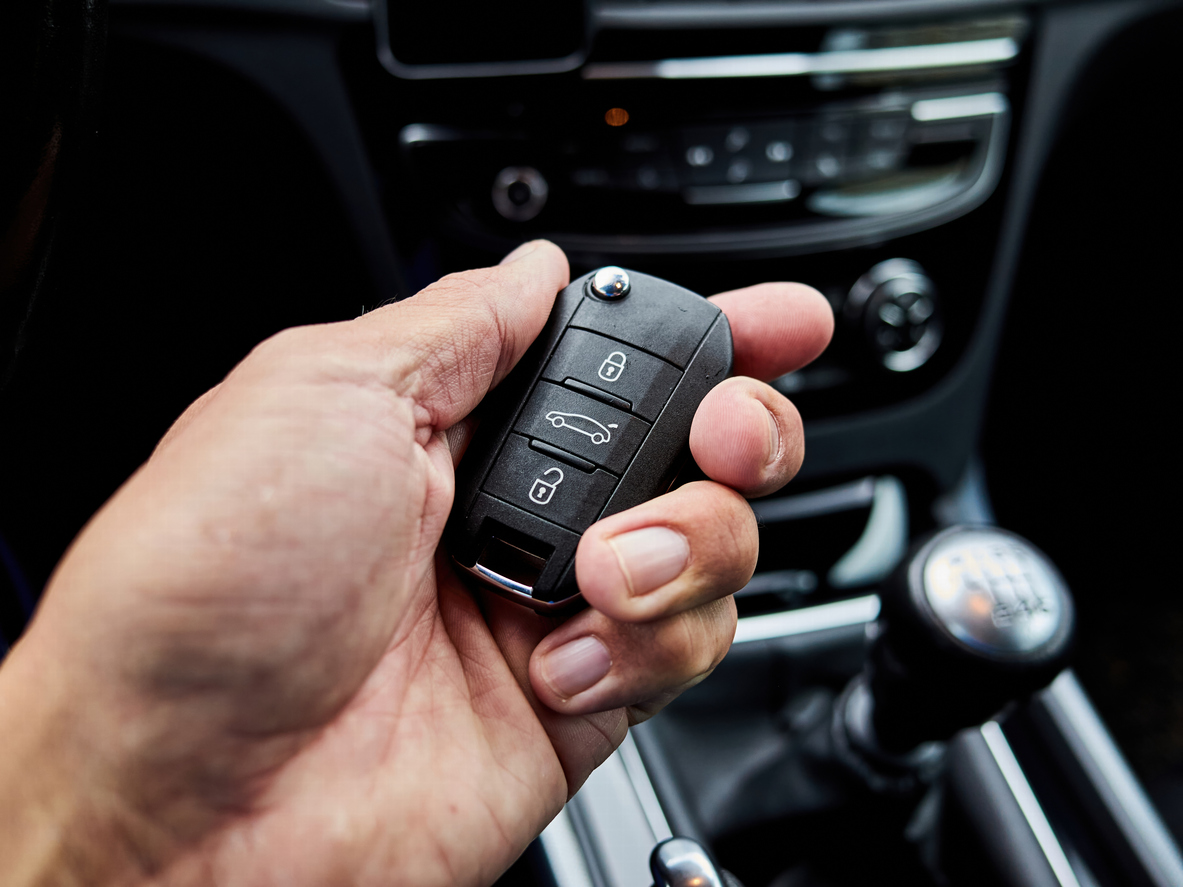
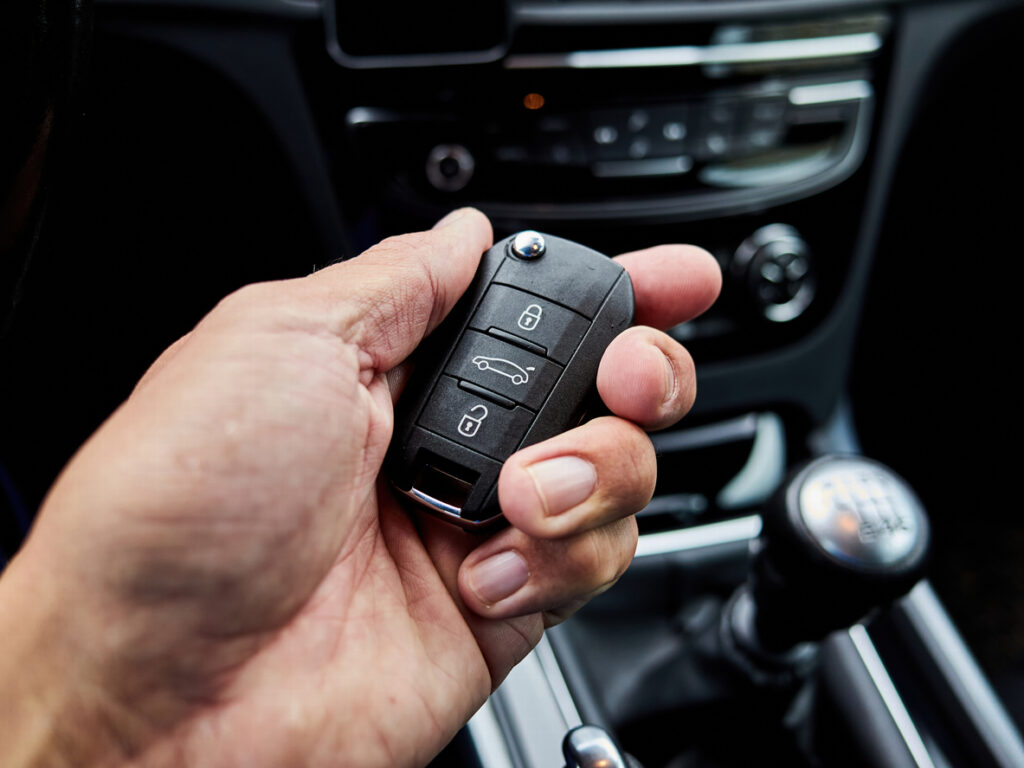
    A driver holding a car key — renewing or replacing a Nigerian driver’s licence

    Whether your Nigerian driver’s licence has expired, gone missing, or been damaged, you do not start from scratch — but each case has its own steps. This guide covers how to renew, replace or get a duplicate Nigerian driver’s licence in 2026, including the police report you need for a lost licence and how to avoid the queues.

    Renewing an expired driver’s licence

    A renewal re-issues your licence through the FRSC on the NDLS. You will need your old or expired licence, a valid and correctly linked NIN, recent photographs, and payment for your chosen validity (3 or 5 years). Renew before it expires where possible — driving on an expired licence risks a fine.

    Replacing a lost or stolen licence

    A lost or stolen licence adds one step: a police report. You report the loss, obtain the report, then apply for a replacement with the same details. Because your biometrics are already on the NDLS, a replacement is usually quicker than a first application.

    Getting a duplicate (damaged licence)

    If your card is damaged or defaced but not lost, you apply for a duplicate — the same licence re-printed. Keep the damaged card to surrender where required.

    Insider tip: Report a lost licence promptly and keep the original police report — you will need it, not a photocopy. Because your record is already in the system, the slowest part of a replacement is usually just getting that report, so do it first.

    How it works, step by step

    1. Confirm your NIN

    It must be active and match the name on your licence record.

    2. Get a police report (lost/stolen only)

    Report the loss and collect the report and any affidavit required.

    3. Apply and pay

    Submit the renewal, replacement or duplicate request and pay the official fee.

    4. Capture if required, then collect

    You may need a fresh photo capture; then collect your temporary licence and the reprinted card.

    Let RenewPapers handle your driver’s licence

    We complete your FRSC application, prepare every document, book your capture appointment at a centre with real availability, and track the licence through to collection — submitting on your behalf or putting a vetted person in the queue for you. It all stays in your RenewPapers wallet, so your next renewal takes minutes. No touts, no wasted trips, no time off work.

    Start an application

    Quick reference

    • Expired: old licence + NIN + photos + fee
    • Lost or stolen: the above + police report (+ affidavit where required)
    • Damaged: the above + the damaged card to surrender

    New driver, or need the full first-time process? See how to apply for a new driver’s licence.

    This guide is general information, not legal advice. FRSC requirements and fees change; confirm the current process before you apply.

  • How to Apply for a New Nigerian Driver’s Licence (2026 Guide)

    How to Apply for a New Nigerian Driver’s Licence (2026 Guide)

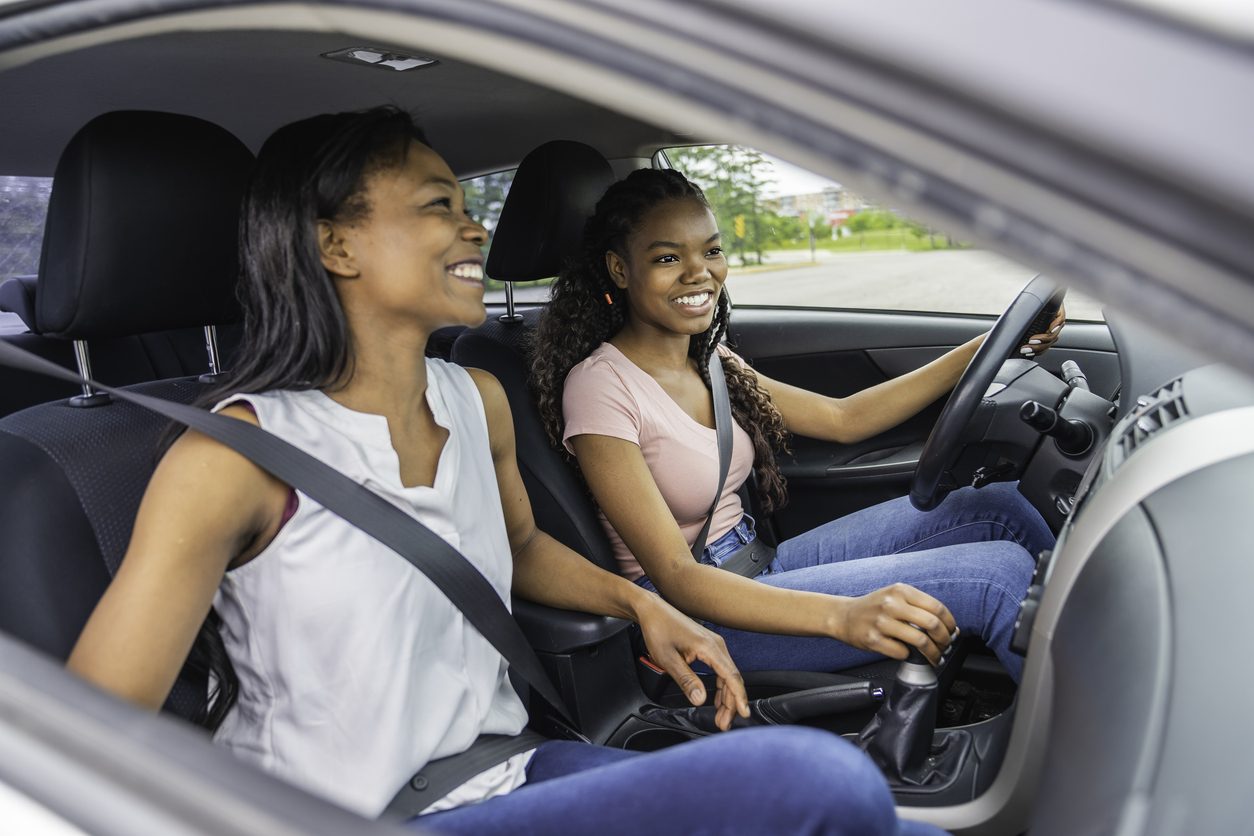
    A young Nigerian driver at the wheel of her new car — applying for a driver’s licence

    A Nigerian driver’s licence is issued through the Federal Road Safety Corps (FRSC) on the National Drivers Licence Scheme (NDLS), with the state Vehicle Inspection Office (VIO) handling your driving test. This guide covers how to apply for a new Nigerian driver’s licence in 2026 — the form, the documents and requirements, and how to get through biometric capture without losing days to queues.

    Requirements and documents you need

    To apply for a new licence you will generally need:

    • A valid, correctly linked NIN
    • A Certificate of Competence from an accredited driving school
    • Evidence you passed the VIO driving test (where required before capture)
    • Recent passport photographs and your personal details
    • Proof of age and address
    • Payment for the licence class and validity (3 or 5 years)
    Insider tip: The driving-school Certificate of Competence is not optional for a first licence — FRSC’s system expects it. Sorting your driving school and VIO test before you book capture is what keeps a new application to a single, smooth trip.

    How to apply for a new licence, step by step

    1. Confirm your NIN

    Make sure it is active and matches your name and date of birth — a mismatch stalls the whole application.

    2. Complete the FRSC application form

    Fill the NDLS application for the licence class you want, entering your details exactly as on your NIN.

    3. Driving school and VIO test

    Obtain your Certificate of Competence and complete the VIO driving test.

    4. Pay the official fee

    Pay for your chosen class and validity through the approved channel and keep the reference.

    5. Biometric capture

    Attend your capture centre for fingerprints and a photograph, then collect your temporary licence while the permanent card is produced.

    Let RenewPapers handle your driver’s licence

    We complete your FRSC application, prepare every document, book your capture appointment at a centre with real availability, and track the licence through to collection — submitting on your behalf or putting a vetted person in the queue for you. It all stays in your RenewPapers wallet, so your next renewal takes minutes. No touts, no wasted trips, no time off work.

    Start an application

    After you apply

    You will usually drive on a temporary licence while the permanent card is produced. Keep your reference to track production and collection, and note your expiry date so you renew on time (licences run for 3 or 5 years).

    Tip: Store a photo of your temporary licence and reference number. It saves you if the slip is misplaced before the permanent card is ready.

    Related driver’s licence guides

    This guide is general information, not legal advice. FRSC and VIO requirements, fees and timelines change; confirm the current process before you apply.

  • Driver’s Licence in Nigeria: How to Apply for and Renew with the FRSC (2026)

    Driver’s Licence in Nigeria: How to Apply for and Renew with the FRSC (2026)

    A man in his car in Nigeria after renewing his driver’s licence

    Driving in Nigeria without a valid driver’s licence is a fine waiting to happen — and the renewal process, with its online forms, capture appointments and driving-school requirement for first-timers, catches a lot of people off guard. Here is how to apply for or renew your Nigerian driver’s licence in 2026, what it costs, and how to avoid the delays that leave you driving on an expired card.

    Who issues the Nigerian driver’s licence?

    The Federal Road Safety Corps (FRSC) issues the national driver’s licence, working with the state Boards of Internal Revenue and Vehicle Inspection. Licences come in classes for different vehicles — from Class A (motorcycles) through Class B (cars) to the heavy-goods and articulated classes — and in 3-year or 5-year validity.

    How much does a driver’s licence cost in 2026?

    • Standard licence — around ₦15,000 (3 years) or ₦21,000 (5 years)
    • Motorcycle (Class A) — around ₦7,000 (3 years) or ₦11,000 (5 years)

    First-time applicants also budget separately for an accredited driving-school course, which is a requirement before a fresh licence is issued. FRSC rates change periodically, so confirm the current fee before paying.

    Insider tip: The 5-year licence costs less per year than the 3-year and saves you a whole renewal trip. Unless you expect your details to change soon, the 5-year option is usually the smarter buy.

    How to apply for or renew your licence

    Step 1 — Apply online on the FRSC portal

    Start your application on the official FRSC driver’s licence portal: choose new or renewal, your class and validity, and the Driver’s Licence Centre (DLC) you’ll attend. First-timers upload their driving-school certificate here.

    Step 2 — Pay and book your capture

    Pay the fee online, then book a biometric capture appointment (photograph, fingerprints and signature) at your chosen DLC or a state VIS office.

    Step 3 — Capture and collect your temporary licence

    Attend your appointment. After capture you’re issued a Temporary Driver’s Licence (valid about 60 days) so you can drive legally while the permanent card is produced.

    Step 4 — Collect the permanent licence

    The permanent licence is ready in roughly one to a few weeks. You’re notified to collect it (or, where offered, have it delivered).

    Insider tip: Your FRSC capture pulls biometrics tied to your NIN — if your NIMC record is outdated or your name doesn’t match, capture stalls. Sort your NIN details before you book, not at the centre.

    Documents you need

    • NIN (your details must match)
    • Accredited driving-school certificate (first-time applicants)
    • Your current licence (for renewals)
    • Recent passport photograph

    When should you renew?

    Start your renewal a month or two before expiry. Driving on an expired licence risks fines and complications if you are stopped, and a lapsed licence can slow down anything that relies on it — from car hire abroad to some KYC checks. Renewing early also means you keep a valid card while the new one is produced.

    Skip the queue — let RenewPapers renew it for you

    Between the online form, the driving-school paperwork, the capture appointment that never seems available, and the NIN that has to match, a “quick” licence renewal eats a day you do not have. We handle all of it.

    RenewPapers checks your eligibility and NIN details first, completes your FRSC application, books your capture at a centre with real availability, and tracks your licence to collection or delivery. Because every application sits on your account, your next document — passport, vehicle papers, CAC, tax clearance — is a few clicks with nothing to re-enter. Where we have a direct channel we file for you; where we do not, we queue for you. Official channels only, genuine licences — no “express” shortcuts that leave you with a fake.

    Renew my licence

    This guide is for general information. FRSC classes, fees and processes can change — confirm the current requirements before you apply, or ask our team and we will confirm the latest for you.

    Common problems & quick answers

    My driver’s licence has expired
    We renew or replace it and clear any fine; start here.
    I lost my vehicle documents / my car papers are expired
    We re-issue lost papers and renew your vehicle particulars (licence, roadworthiness, insurance) in one go.
    I need to renew my car papers quickly
    Tell us the vehicle — we renew the full set of vehicle papers and roadworthiness together.
    I was fined for an expired licence or roadworthiness
    We renew what expired and help resolve the fine — see clearing government penalties.